Nurturing Lifelong Independence: How the Montessori Method Empowers Capable Children
"Help me to do it by myself."
This simple yet powerful expression captures one of the most important principles of Montessori education: children have a natural desire to become independent, capable individuals.
Every parent has witnessed the pride on a child's face after successfully pouring a glass of water, putting on their own shoes, or completing a challenging puzzle without assistance. These seemingly small accomplishments represent meaningful milestones in a child's development.
In Montessori education, independence is about much more than mastering everyday tasks. It is about nurturing confidence, resilience, responsibility, and the ability to think and solve problems independently.
Designed for Independence: The Prepared Environment
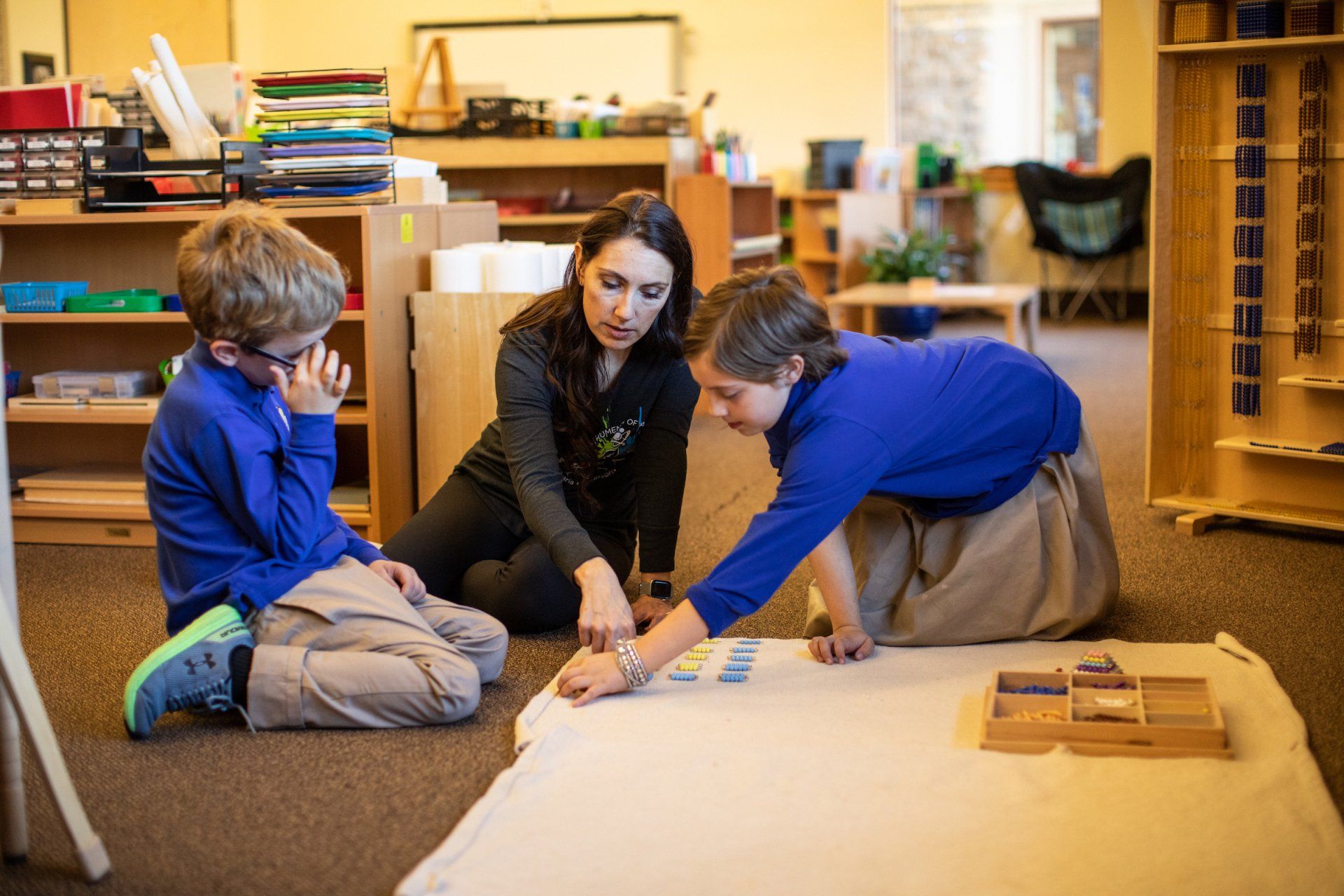
A Montessori classroom is thoughtfully designed with the child in mind. Child-sized furniture, accessible shelves, and carefully arranged learning materials create an environment where children can explore, make choices, and participate meaningfully in their daily activities.
Rather than depending on adults for every task, children are encouraged to take an active role in their learning.
Two essential Montessori principles support this process:
- Freedom within limits: Children are given opportunities to select appropriate activities, work at their own pace, and return materials to their designated places. This balance of freedom and responsibility encourages self-discipline and respect for their environment.
- Control of error: Many Montessori materials incorporate a built-in control of error, allowing children to recognize and correct mistakes through their own observations. This encourages problem-solving, builds confidence, and reduces reliance on constant adult correction.
Through these experiences, children begin to recognize their own abilities and develop trust in their capacity to learn.
Practical Life: Building Confidence Through Everyday Experiences
One of the most meaningful ways Montessori education fosters independence is through Practical Life activities.
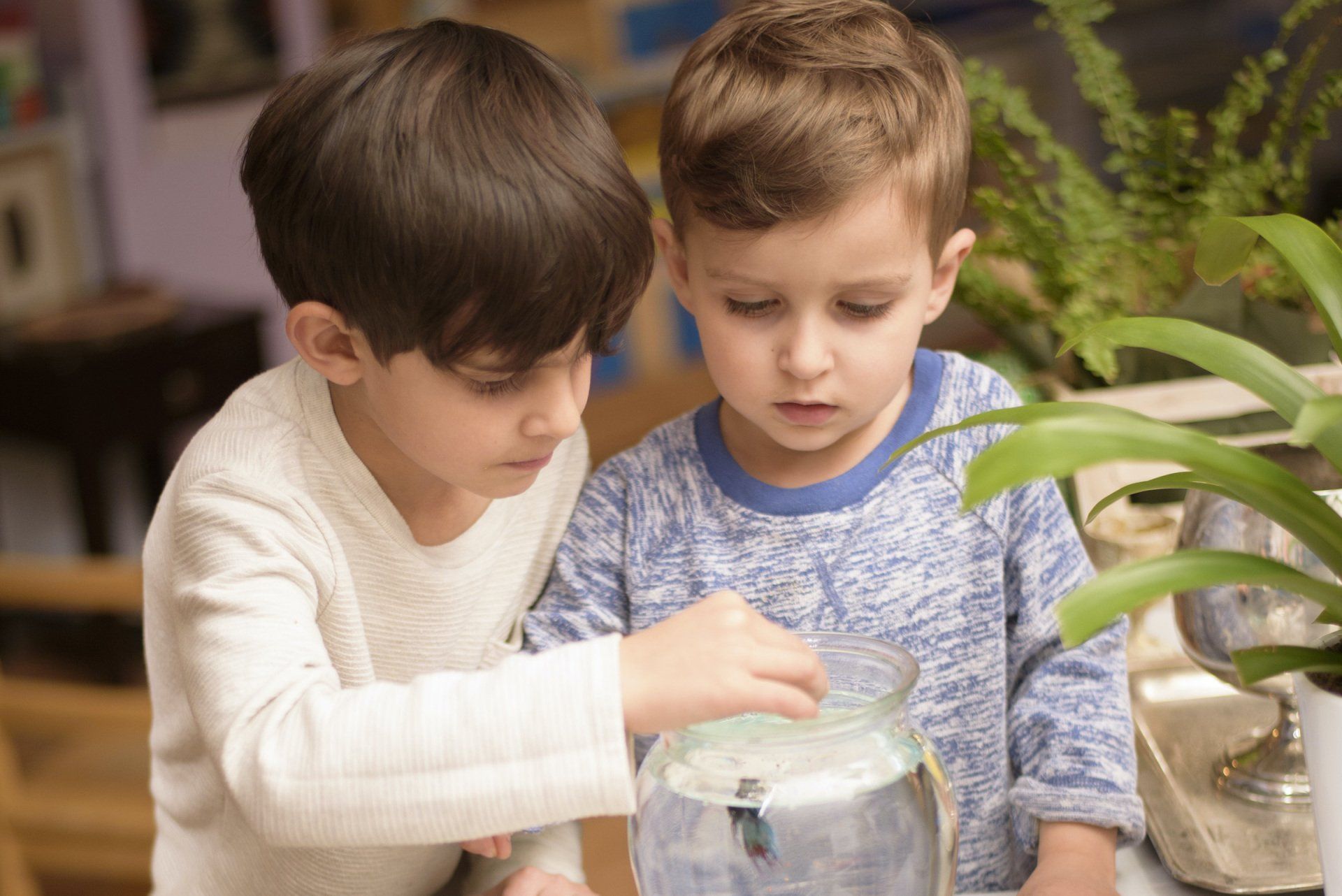
Tasks such as preparing a snack, washing dishes, watering plants, sweeping, and dressing independently are not simply daily chores. They are purposeful learning experiences that allow children to develop essential skills while contributing to their community.
These activities support fine motor coordination, concentration, sequencing, problem-solving, and a growing sense of responsibility.
Equally important, they communicate a powerful message to children: Your contributions matter, and you are capable of doing meaningful things.
As children repeat and gradually master these activities, they experience the satisfaction of completing tasks through their own efforts. This sense of accomplishment becomes a foundation for confidence and independence in other areas of learning.
Bringing Montessori Independence Home
Supporting your child's independence does not require transforming your home into a Montessori classroom. Often, the most meaningful opportunities come from simple adjustments to everyday routines.
Here are three practical ways to encourage independence at home:
- Create accessible spaces: Place frequently used items, such as drinking cups, clothing, and age-appropriate snacks, within your child's reach. When children can access what they need independently, they gain opportunities to practice responsibility and self-care.
- Allow time for independent effort: Busy mornings can make it tempting to step in and complete tasks for your child. Whenever possible, build a little extra time into your routine so they can practice putting on shoes, getting dressed, or preparing their belongings.
- Offer meaningful choices: Give your child opportunities to make age-appropriate decisions within clear boundaries. For example, instead of asking an open-ended question about what to wear, offer two suitable options: "Would you like the blue shirt or the green shirt today?"
Remember that developing independence takes time. What matters most is not how quickly a child completes a task, but the confidence and skills gained through the experience.
Growing Independent Learners at Little Flower Montessori School
Independence flourishes when children are trusted, supported, and given meaningful opportunities to explore their abilities.
At Little Flower Montessori School, we believe every child deserves an environment that encourages curiosity, purposeful activity, and the joy of discovery.
Through thoughtfully prepared classrooms and the guidance of dedicated Montessori educators, children are encouraged to develop confidence, take responsibility for their learning, and approach new challenges with determination.
These experiences help lay the foundation for becoming capable, self-motivated learners who carry their independence beyond the classroom.
We invite you to discover how Montessori education supports your child's growth. Contact Little Flower Montessori School in Wilton Manors, Florida, to schedule a campus tour and experience our learning environment firsthand.